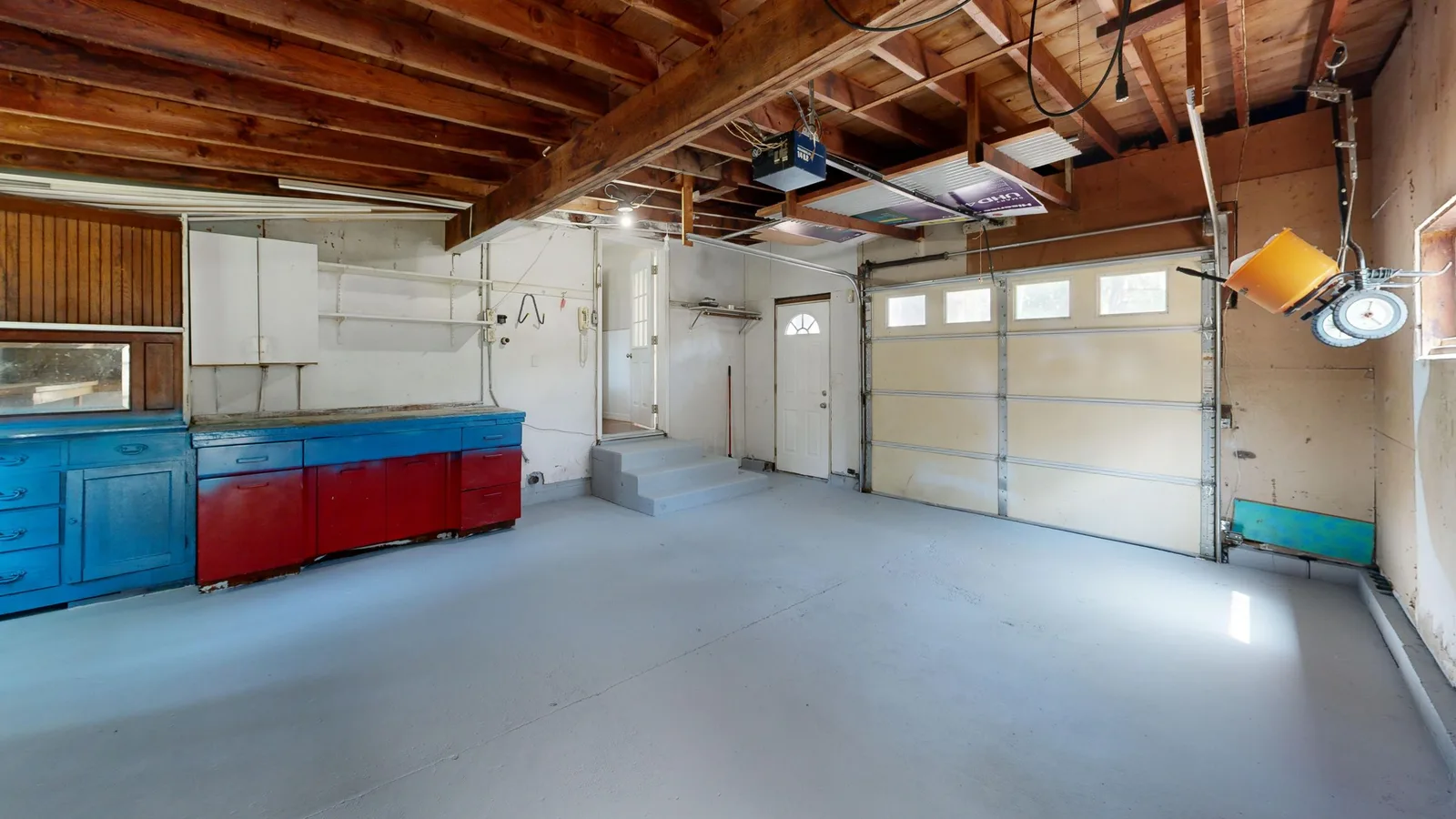
A bloke in Blackbutt rang in the middle of July about the fridge in his garage. Ice cream had gone soft, the frozen peas had turned into one solid brick and then gone floppy again, and he wanted to know whether it was worth putting a thermostat in an eleven-year-old fridge.
The fridge side was sitting on four degrees. Beautifully cold. Colder than the one in his kitchen.
That combination is the whole story, and once you see it you can't unsee it. The freezer was going soft because the fridge side was cold, and the fridge side was cold because the garage was nine degrees at six in the morning.
Most fridges only measure one thing
On a lot of two-door fridge freezers, particularly the older and cheaper ones, there's one sensor and it lives in the fresh food compartment. The freezer doesn't get a vote. Cold air is made at the evaporator, some of it gets shared into the fridge section through a damper or a vent, and the compressor runs whenever that one sensor in the fridge says it's warm.
Put that machine in a room that's already colder than the number the sensor is looking for and the compressor barely starts. The fridge is happy. Nothing tells the freezer anything. It drifts up to minus five, minus three, and your ice cream turns to soup while the machine sits there silently obeying the only instruction it has.
People rang me about this every winter for a few years before I stopped assuming a fault and started asking what room the fridge was in.
The two letters on the rating plate
Open the door and look at the sticker inside, usually on the side wall near the model number. Somewhere on it there'll be a climate class, written as one or two letters.
- SN is subnormal, rated for rooms between about 10°C and 32°C
- N is normal, roughly 16°C to 32°C
- ST is subtropical, about 16°C to 38°C
- T is tropical, about 16°C to 43°C
Most fridges sold here are N or SN. Now look at the bottom of those bands, and think about what an unheated brick garage in Oak Flats or Albion Park is doing at six in the morning in July. It sits under ten degrees for a few hours, most mornings, for about three months of the year.
A machine that says N on the plate is not being asked a fair question. That isn't the manufacturer being cheap, either. It's a national market, and most of the country doesn't keep a fridge in an unheated concrete box.
What actually helps
Not much helps, honestly, which is the annoying part of this answer.
Some brands sell what gets called a garage kit or a winter kit, which is a small heater near the sensor that fools the fridge into running. They exist for a handful of models and they're not something I can retrofit to whatever you own.
The thing that does work is choosing differently. A chest freezer has its sensor in the only compartment it has, so it doesn't have this problem at all, and if what you actually want is somewhere to keep half a beast and a few boxes of bait, a chest freezer is the right machine. If you need the fridge part too, a frost-free model with independent cooling for each compartment handles a cold room far better than a single-sensor one.
The cheapest fix is moving it. Under the house, in a laundry, anywhere with a wall between it and the weather. I know that isn't always possible.
The February version of the same problem
Same fridge, opposite end of the year, and this one gets asked about far more often.
A garage with a west-facing roller door gets properly hot in February, well past the top of any of those bands, and a compressor that coped fine in September now runs all day and never quite gets there. That one usually is worth a look, because a hot room plus a coil packed with dust and salt is a much bigger problem than either on its own. The coil side of that story is in the post on fridges that never switch off.
Quick version: pull it out, clean the condenser, leave it 50mm of air. In a garage do it more often than you would in a kitchen, because garages are dustier and, anywhere near the lake or the beach, that dust is carrying salt.
While you've got it out, look underneath
Garage fridges rust in a way kitchen fridges don't.
Concrete holds moisture, and a fridge standing on a slab behind a shut roller door all winter sits in damp air with a warm compressor bay pulling that air across bare metal. The feet go first, then the bottom edge of the cabinet, then the little screws holding the rear panel on. If the roller door faces the water and gets left open, there's salt in that air as well.
None of that stops a fridge working next week. It does decide whether the fridge is worth spending money on in four years, so it's worth knowing about while you're down there with a torch.
Is it worth keeping at all
This is the conversation I have most often about second fridges, and it isn't really a repair question.
Fridges and freezers make up around 10% of a household's energy bill, and the federal government's own advice on household appliances goes as far as suggesting people avoid running second fridges unless they genuinely need them. An old machine kept on for drinks and Christmas leftovers is a running cost you stopped noticing years ago and still pay every quarter.
If it's fifteen years old, out in the garage, and it's now asking for a compressor or a sealed system repair, that's the end of the line and I'll say so. There's a longer piece on how I decide whether a machine has earned another repair.
If it's ten years old, running fine nine months a year, and it just can't hold a freezer in July, that isn't a repair at all. That's a room problem wearing a fridge costume.
What I'd check before ringing anyone
Put a thermometer in the freezer overnight and another one on the garage floor. If the room is under about twelve degrees and the freezer is warm while the fridge is cold, you've got the winter fault and there's nothing on the machine to fix.
If the room is warm and the fridge is running non-stop, clean the coils first, then call.
And if it won't start at all, clicks every few minutes, or hums and stops, that's a genuine fault and it's usually a small part at the compressor. Worth a look.
Coming out to look costs $125 either way — that's the assessment fee — and nothing gets touched until you've agreed to the repair price. We do domestic appliances only. Book it in or ring 02 4229 3777 and tell me what the two thermometers said, because half the time I can sort it out on the phone.